

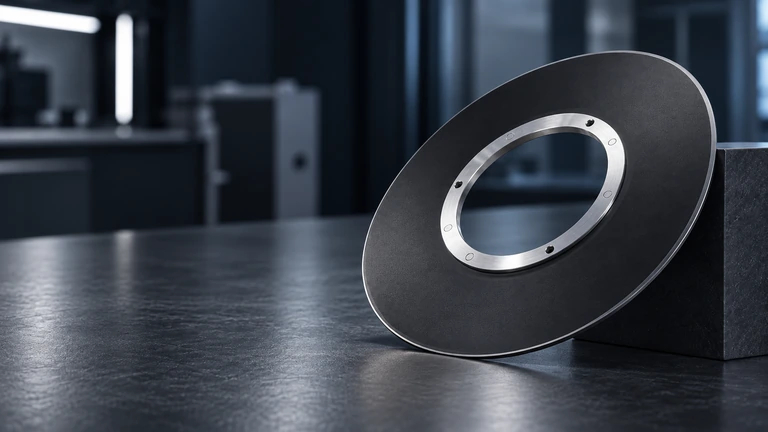
Aperture geometry
Laser micro-drilling
The target aperture geometry on a metal component is reviewed using the available drawing or sample. Material, component thickness and aperture requirements are considered together when assessing manufacturability.
Perforation pattern
From individual apertures to a perforation pattern
Micro-perforation describes the arrangement of apertures across a metal surface. Aperture geometry, pitch, hole distribution and target open area are considered alongside the technical details of the component.
Aperture geometry
Refers to the geometric characteristics of an individual aperture.
Pitch
Refers to the distance between the centers of adjacent apertures.
Hole distribution
Refers to the arrangement pattern of apertures across the surface.
Open area
Refers to the proportion of open area across the perforated surface.
- Aperture geometry
- Pitch
- Hole distribution
- Open area
Existing production application: Polymer Filtration Plates Explore polymer filtration process
Application-specific components
Application-specific micro-perforated metal components are developed around the technical requirement.
Component geometry, material, thickness, the area to be processed, target aperture and perforation pattern are considered together with the application requirements. A machine or system reference, basic application information and, where available, an existing part, drawing or sample can support the initial review.
Information that can support an initial review
Machine model, component function or process context
Stainless steel, titanium or technical alloy grade
Target hole geometry and pattern information, where known
Physical part, part reference or detailed component photos
Existing component data in DXF, DWG, STEP or PDF format
- Application / system reference
- Machine model, component function or process context
- Material specification
- Stainless steel, titanium or technical alloy grade
- Target aperture / perforation details
- Target hole geometry and pattern information, where known
- Existing part / sample — if available
- Physical part, part reference or detailed component photos
- Technical drawing — if available
- Existing component data in DXF, DWG, STEP or PDF format
Working approach
From technical review to production
Available application, system or component information is reviewed for manufacturability. Once any additional technical inputs are identified, the next steps suited to the project are evaluated with the customer.
- Technical Review
- Project-Specific Progress
- Production
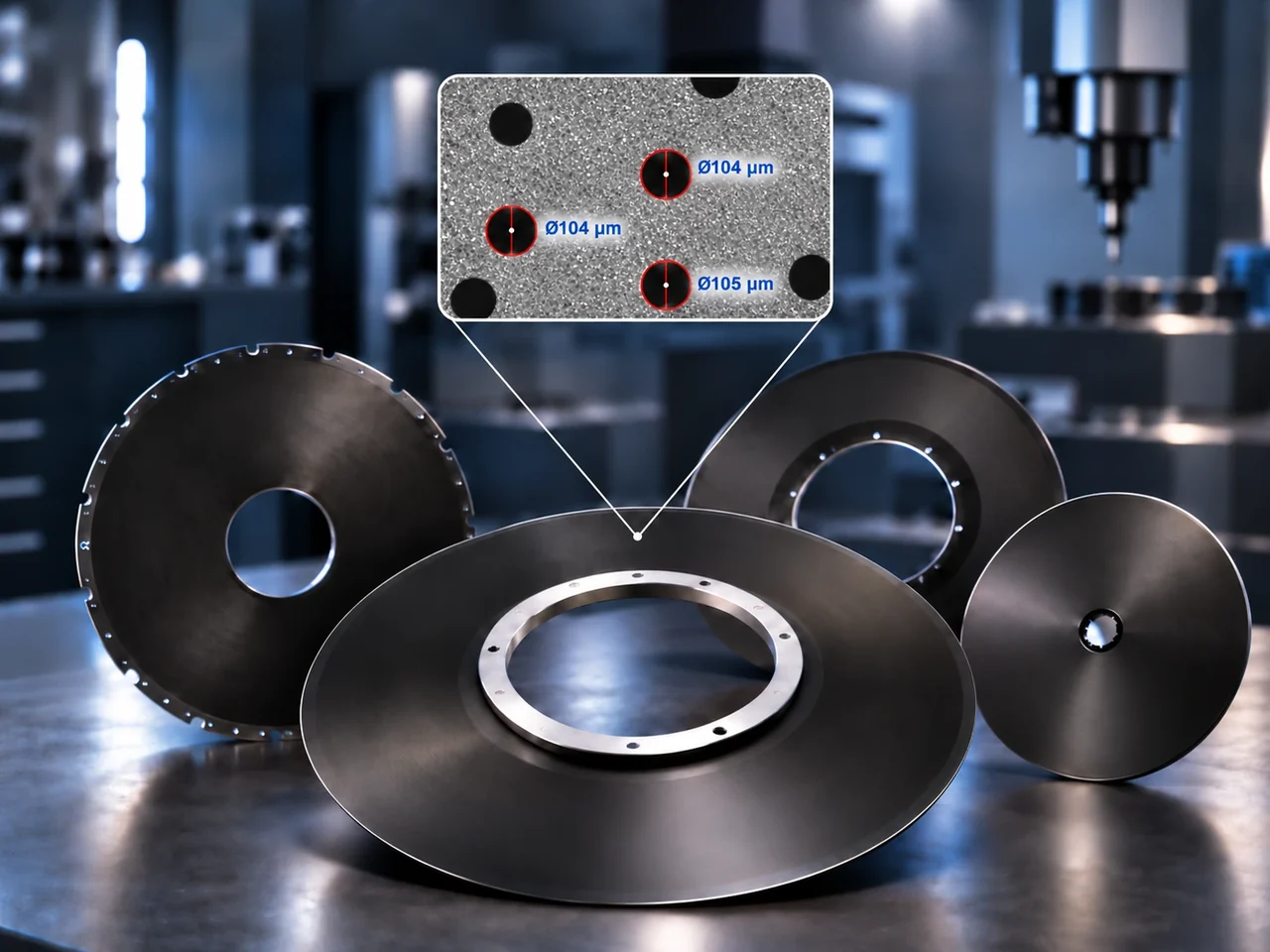
PRECISION IN PRODUCTION
Polymer filtration plates.
We manufacture micro-perforated metal filtration plates for plastics recycling and polymer processing systems.
From the filtration opening to the machine interface, each component is evaluated as a whole.
Explore filtration plates- Filtration geometry
- Aperture, pitch and active area
- Machine fit
- Component-specific interfaces
- Starting point
- System reference, application or existing part